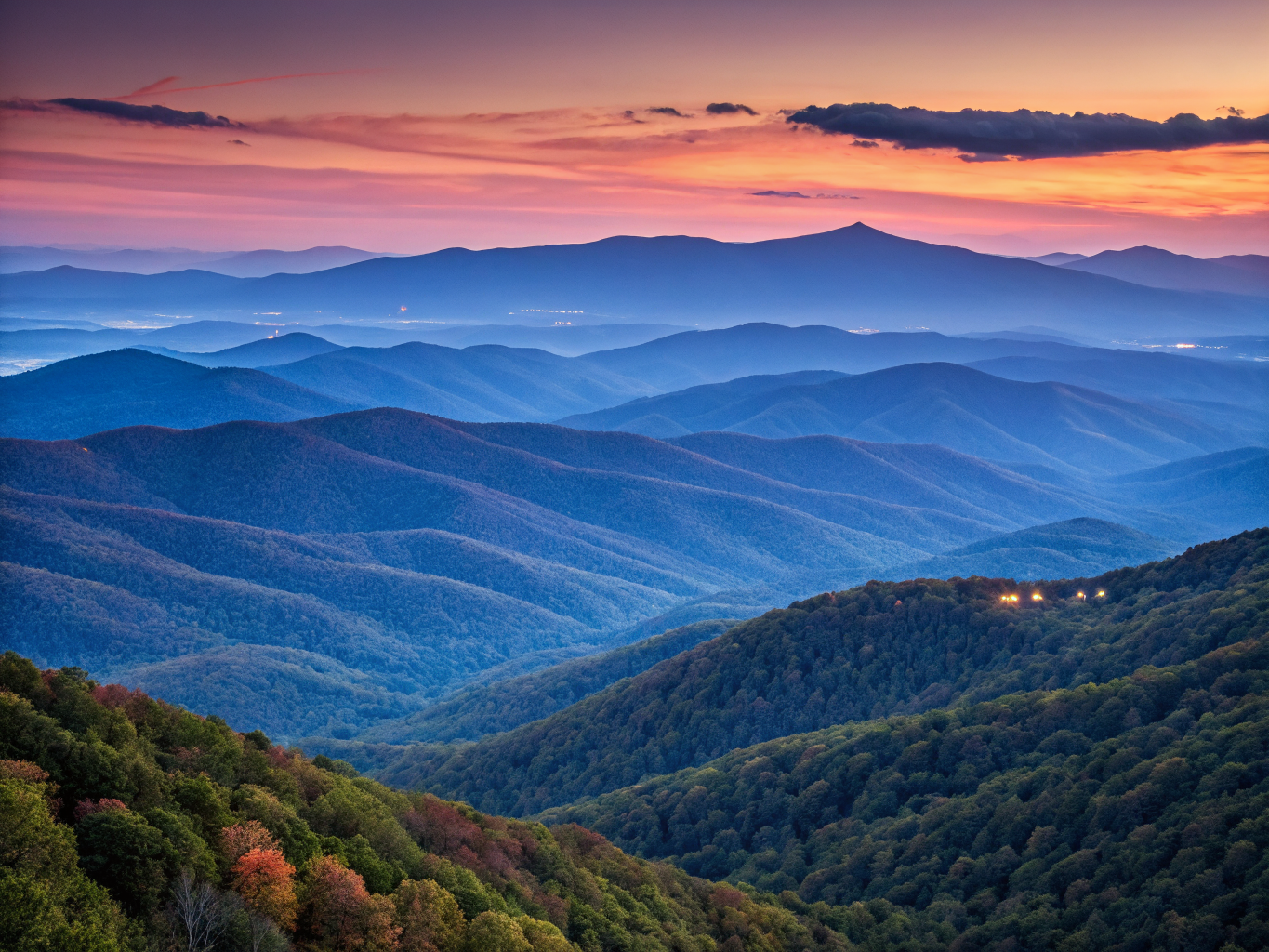
I've sold real estate in Central Virginia since 2005. In that time, I've watched our region go from genuinely under-the-radar to the beginning of a recognition that's long overdue. But here's the thing: even in 2026, most people on the East Coast still don't know about us. They know Virginia Beach. They know Northern Virginia. They know Charlottesville. But the heart of Virginia, the part that stretches from the Blue Ridge Mountains to Smith Mountain Lake to the rolling farmland of Pittsylvania County, remains one of the most remarkable values in American real estate.
I'm biased, obviously. This is my home and my livelihood. But bias doesn't change facts, and the facts make an overwhelming case for Central Virginia. Let me lay them out.
The Price Advantage Is Staggering
Let's start with the number that gets everyone's attention. In 2026, here's what median home prices look like across the East Coast:
| Market | 2026 Median Home Price | Property Tax Rate |
|---|---|---|
| Fairfax County, VA (NoVA) | $700,000+ | $1.11 per $100 |
| Montgomery County, MD | $600,000+ | ~$0.99 per $100 |
| Charlotte, NC (Mecklenburg) | $425,000+ | ~$0.82 per $100 |
| Raleigh, NC (Wake) | $450,000+ | ~$0.72 per $100 |
| Charleston, SC | $500,000+ | ~$0.58 per $100 |
| Bedford County, VA | $380,000+ | $0.53 per $100 |
| Campbell County, VA | $245,000 - $260,000 | $0.73 per $100 |
| Franklin County, VA | $345,000 - $360,000 | $0.43 per $100 |
A family paying $700,000 for a townhouse in Fairfax County could buy a 4-bedroom home on two acres in Bedford County for $380,000, have $320,000 left over to invest, and pay roughly half the property taxes. That's not an exaggeration. That's the market.
And it's not just about housing costs. Groceries, childcare, dining, and services all run 15-25% below the DC metro and Northern Virginia. The overall cost of living in Central Virginia is approximately 8-12% below the national average, depending on which index you reference.
The Natural Beauty Is World-Class
Central Virginia sits at the foothills of the Blue Ridge Mountains, and the landscape is genuinely stunning. This isn't subtle beauty that requires an acquired taste. It's the kind of beauty that makes first-time visitors pull over on Route 122 just to take a photo.
- Blue Ridge Parkway: America's most visited national park unit runs directly through our region. Peaks of Otter, Sharp Top Mountain, and the Parkway overlooks are in our backyard.
- Smith Mountain Lake: 500 miles of shoreline, 20,600 acres, and some of the most spectacular sunsets on the East Coast. The lake is our crown jewel, and it's earned.
- James River: Flowing through Amherst and Bedford Counties, the James offers kayaking, fishing, tubing, and some of the most scenic riverfront property in Virginia.
- Appalachian Trail: Accessible from several trailheads within 30-60 minutes of most Central Virginia communities. McAfee Knob, one of the most photographed spots on the entire AT, is a short drive from Roanoke.
- National Forests: George Washington and Jefferson National Forests cover millions of acres in our mountains, offering hiking, camping, hunting, and fishing that's free and accessible year-round.
People pay a premium to live near natural beauty on the coast and in mountain resort towns. In Central Virginia, that beauty comes standard with the real estate.
Virginia's Tax Structure Favors Homeowners
Virginia's tax policies are particularly attractive for property owners and retirees:
- No state estate tax. Virginia does not levy a separate estate tax, which is a significant advantage over Maryland, New Jersey, Connecticut, and several other East Coast states that impose their own estate taxes on top of federal obligations.
- Income tax is capped at 5.75%. Virginia's graduated income tax tops out at 5.75% on income above $17,000. While that's not zero, it's well below the rates in New York (up to 10.9%), New Jersey (up to 10.75%), and Maryland (combined state and local up to ~8.95%).
- Property taxes are locally controlled and competitive. As the table above shows, our county rates range from $0.43 to $0.73 per $100 of assessed value. Many Northern Virginia jurisdictions are at or above $1.00.
- Social Security income is not taxed at the Virginia state level for most retirees, based on age and income thresholds.
- Military retirement pay is partially exempt from Virginia income tax.
For retirees from high-tax states like New York, New Jersey, Connecticut, and Maryland, moving to Central Virginia can save tens of thousands of dollars annually in combined income and property taxes.
Employment Is Diverse and Growing
Central Virginia's economy is no longer dependent on any single industry. The major employment anchors include:
- Healthcare: Centra Health (Lynchburg) and Carilion Clinic (Roanoke) are the region's two largest employers, providing thousands of medical, administrative, and support positions.
- Education: Liberty University (the largest employer in Lynchburg), University of Lynchburg, Virginia Western Community College, and Radford University Carilion all contribute to a robust higher education sector.
- Defense and Nuclear: BWX Technologies and Framatome (formerly AREVA) in Campbell County provide high-paying engineering and manufacturing jobs in the nuclear technology sector.
- Distribution and Logistics: Bedford County's location along the US-460/US-221 corridor has attracted distribution centers and logistics operations.
- Remote Work: This is the fastest-growing segment of our "employment base." Since 2020, thousands of remote professionals have relocated to Central Virginia, bringing DC, Richmond, and even national salaries to a region with a fraction of those cities' living costs.
The unemployment rate in our region has consistently tracked at or below state and national averages, and the diversity of the employment base provides resilience against sector-specific downturns.
The Four Seasons Are Real (and Mild)
Central Virginia's climate is one of its underappreciated assets. We get genuine four-season variety without the extremes that make other regions challenging:
- Spring: Dogwoods and redbuds start blooming in late March. Average highs in the 60s-70s. The Blue Ridge Parkway comes alive with wildflowers.
- Summer: Warm but not oppressive. Average highs in the mid-80s, with occasional days in the low 90s. Lower humidity than Tidewater or the Carolinas. Lake and mountain evenings cool into the 60s.
- Fall: Many locals say this is the best season. The foliage along the Blue Ridge is spectacular, rivaling New England without the crowds or the price tags. Average highs in the 60s-70s from September through November.
- Winter: Cold but manageable. Average highs in the 40s-50s, with occasional snow that rarely sticks for more than a few days in the valleys. The mountains see more accumulation, which makes for beautiful scenery without the shoveling lifestyle of the Northeast.
For retirees from Florida and the Deep South who miss seasons, or Northeasterners who are tired of brutal winters, Central Virginia hits the sweet spot.
Community That's Genuine
I've lived in larger markets, and I've worked in Central Virginia for over two decades. The difference in community fabric is real. This is a region where people wave at strangers, where local businesses know your name, where Friday night football games are community events, and where neighbors look out for each other.
The Smith Mountain Lake community is particularly tight-knit. The SML Association, the annual Wine Festival, the Charity Home Tour, lake cleanup days, and dozens of clubs and organizations create a social infrastructure that welcomes newcomers. I've watched hundreds of families move here and build genuine, lasting friendships within their first year.
Lynchburg's downtown revival has added a cultural dimension that surprises many newcomers. The Academy of Fine Arts, Riverviews Artspace, a growing craft brewery scene, and restaurants that would be right at home in Richmond or Charlottesville give the city a vibrancy that didn't exist a decade ago.
Proximity to Everything That Matters
Central Virginia isn't isolated. It's strategically positioned:
- Roanoke: 30-45 minutes. Regional airport, Carilion medical center, shopping, dining.
- Charlottesville: 90 minutes. University of Virginia, Monticello, wine country.
- Richmond: 2 hours. State capital, international airport, big-city amenities.
- Washington, DC: 3.5 hours. Access to the nation's capital for occasional trips.
- Virginia Beach: 3.5 hours. Ocean access for long weekends.
- Charlotte: 3 hours. Major airport hub, NFL and NBA sports.
The Roanoke-Blacksburg Regional Airport offers direct flights to major hubs, and for international travel, both Richmond and Charlotte international airports are within easy reach.
What About Healthcare?
This is always one of the first questions from retirees, and the answer is reassuring. Centra Health in Lynchburg and Carilion Clinic in Roanoke are both comprehensive regional health systems with hundreds of physicians across virtually every specialty. Centra's Lynchburg General Hospital and Virginia Baptist Hospital, along with Carilion Roanoke Memorial (a Level I trauma center), provide healthcare that rivals what you'd find in much larger metro areas.
At Smith Mountain Lake specifically, Carilion has opened a full-service clinic in Westlake, which means routine care, lab work, and specialist appointments no longer require the drive to Roanoke. For retirees, this local access to quality healthcare is often the deciding factor.
The Window Won't Stay Open Forever
I started this piece by calling Central Virginia a "best-kept secret," but I should be honest: the secret is getting out. Remote work migration, retirement relocation from the Northeast, and the general discovery of our region by media outlets and real estate investors are all contributing to growing demand.
Bedford County's median has risen from $330,000 to $380,000+ in three years. Smith Mountain Lake waterfront has pushed past $850,000 from $525,000 in 2019. These aren't speculative bubbles. They're the natural result of more people discovering what we've always known: Central Virginia offers a quality of life that's genuinely hard to match at prices that are genuinely hard to believe.
The best time to buy was five years ago. The second-best time is now.
If you've been thinking about Central Virginia, whether as a primary home, a vacation retreat, an investment, or a retirement destination, I'd love to show you around. There's nothing quite like seeing it in person.
Teresa Grant is the Owner and Luxury Listing Specialist at The Realty Group Team, Keller Williams. She has spent 21 years helping families discover the extraordinary value and quality of life in Central Virginia. Reach her at therealtygrouponline.com.