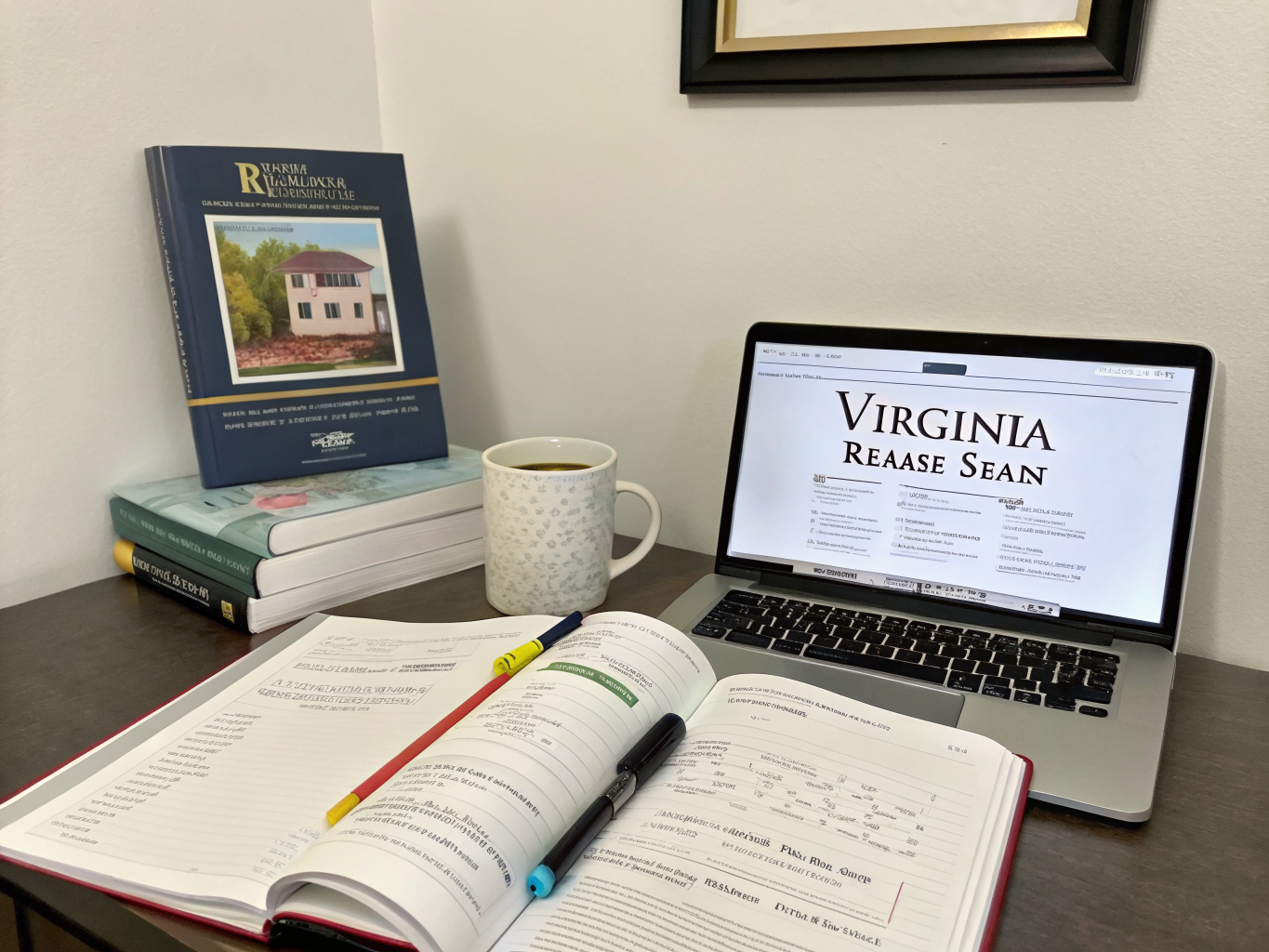
If you've been thinking about a career in real estate, Virginia is one of the best states in the country to get started. The market is active, the communities are growing, and the earning potential is significant for agents who work hard and build relationships. I've been in this business since 2005, built a team of nine agents, and sold over 1,300 properties. I know what it takes to succeed, and it starts with getting your license.
This guide covers everything you need to know about becoming a licensed real estate salesperson in Virginia: the requirements, the costs, the timeline, and practical advice that the licensing courses won't teach you.
Virginia Real Estate License Requirements at a Glance
| Requirement | Details |
|---|---|
| Age | 18 years or older |
| Education | High school diploma or equivalent |
| Pre-Licensing Courses | 60 hours (approved by DPOR) |
| Exam | PSI exam (national + Virginia state portions) |
| Background Check | Required; felony convictions may disqualify |
| Sponsoring Broker | Must be associated with a licensed Virginia broker |
| Total Cost | $300 - $500 (courses, exam, application fees) |
| Timeline | 2-4 months from start to licensed |
Step 1: Complete 60 Hours of Pre-Licensing Education
Virginia requires 60 hours of approved pre-licensing education before you can sit for the state exam. The curriculum is set by the Department of Professional and Occupational Regulation (DPOR), which governs all real estate licensing in Virginia.
The 60 hours are typically divided into two courses:
- Principles of Real Estate (30 hours): Covers property rights, ownership types, land use, environmental regulations, and basic real estate concepts. This is the foundational course.
- Real Estate Practice (30 hours): Covers contracts, agency relationships, fair housing law, financing, settlement procedures, and the practical aspects of working as an agent. This course gets into the day-to-day of the business.
Course Options
You have several choices for completing your pre-licensing education:
- Online courses: The most flexible option. Providers like Colibri Real Estate, Kaplan Real Estate Education, and The CE Shop offer self-paced online courses that let you study on your schedule. Costs range from $150-$350 depending on the provider and package.
- In-person classroom: Several community colleges and real estate schools across Virginia offer classroom-based courses. Central Virginia Community College in Lynchburg and Virginia Western Community College in Roanoke both offer programs. Classroom instruction provides structure and the ability to ask questions in real time.
- Hybrid programs: Some providers offer a combination of online coursework with periodic in-person sessions.
My recommendation: choose the format that matches your learning style. If you're disciplined and self-motivated, online courses are efficient and affordable. If you benefit from interaction and structured schedules, classroom is worth the slightly higher cost and time commitment.
How Long Does the Coursework Take?
At a focused pace, most people complete the 60 hours in 4-8 weeks. Some online programs allow accelerated completion if you're putting in full days, while evening and weekend classroom formats typically run 6-10 weeks. Don't rush the material just to finish quickly. These courses cover concepts you'll actually use in practice, especially contracts, agency relationships, and fair housing law.
Step 2: Pass the Virginia Real Estate Exam
Once you've completed your 60 hours of pre-licensing education, you're eligible to schedule your licensing exam. Virginia uses PSI (Psychological Services, Inc.) as its testing provider.
Exam Format
The Virginia real estate salesperson exam has two parts:
- National portion: 80 questions covering general real estate principles, practice, and math. You need a score of 56 correct (70%) to pass.
- State portion: 40 questions specific to Virginia real estate law, regulations, and practice. You need a score of 30 correct (75%) to pass.
Both portions are multiple choice. You'll have a total of 150 minutes to complete both sections. You must pass both portions in the same sitting, though if you fail one portion, some testing centers allow you to retake just the failed portion.
Exam Registration and Cost
Register for the exam through PSI's website (psiexams.com). The exam fee is approximately $60-$75. Testing centers are located throughout Virginia, including Roanoke and Richmond. You can typically schedule your exam within 1-2 weeks of registration, depending on availability.
What to Bring
- Two forms of valid identification (one must be government-issued photo ID)
- Your course completion certificate or documentation
- A basic, non-programmable calculator (provided at most testing centers)
Study Tips
I'll cover exam preparation in detail in a separate post, but the essentials are: take practice exams repeatedly until you're consistently scoring 80%+, focus extra time on math problems (prorations, commission calculations, mortgage math), and don't neglect Virginia-specific material. The state portion trips up many candidates who focus only on the national content.
Step 3: Find a Sponsoring Broker
In Virginia, you cannot practice real estate as an independent salesperson. You must be associated with and supervised by a licensed Virginia real estate broker. Finding the right broker is one of the most important decisions you'll make in your early career.
What to Look For in a Broker
- Training and mentorship: The pre-licensing courses teach you the law, but they don't teach you how to actually sell real estate. A good broker or team provides mentorship, training programs, role-play sessions, and hands-on guidance through your first transactions.
- Commission structure: Brokerages offer different commission split models. Traditional splits range from 50/50 to 70/30 (your favor) and can improve as your production increases. Some brokerages charge desk fees or transaction fees instead of taking a split. Understand the full financial picture before committing.
- Technology and marketing: Does the brokerage provide a CRM, lead generation tools, marketing materials, and a web presence? These tools are expensive to build on your own as a new agent.
- Culture: Visit the office. Talk to the agents. Is the atmosphere collaborative or competitive? Do experienced agents share knowledge with newer ones? Culture matters more than you think when you're building a career.
- Brand recognition: Being associated with a nationally recognized brand like Keller Williams, RE/MAX, Coldwell Banker, or Long & Foster provides instant credibility and a referral network that independent brokerages can't match.
Why I Chose Keller Williams
I've been with Keller Williams since the beginning of my career, and I founded The Realty Group Team in 2012 specifically because KW's model aligns with how I believe real estate should work. KW's training programs (BOLD, Ignite, MAPS coaching) are the best in the industry. The profit-sharing model creates genuine team incentives. And the agent-centric culture means the company's success is directly tied to its agents' success. I'll share more about what makes KW unique in a separate post for those specifically interested in joining our team.
Step 4: Apply for Your License
Once you've passed the exam and secured a sponsoring broker, submit your license application to DPOR. The process involves:
- Application form: Available through DPOR's online licensing system.
- Application fee: Approximately $170 (includes the license fee and application processing).
- Background check: DPOR will conduct a criminal background check. Felony convictions don't automatically disqualify you, but they will be reviewed and may require additional documentation.
- Broker association documentation: Your sponsoring broker will need to submit documentation confirming your association.
Processing typically takes 2-4 weeks. Once approved, you'll receive your license number and can legally practice real estate in Virginia.
Step 5: Launch Your Career
Getting licensed is the starting line, not the finish line. Here's what I tell every new agent who joins our team:
- Build your sphere of influence. Tell everyone you know that you're now a licensed real estate agent. Family, friends, former colleagues, neighbors, your dentist, your barber. Real estate is a relationship business, and your first clients will almost always come from people who already know and trust you.
- Learn your market. Drive every street in your target area. Tour open houses. Study sold data obsessively. Know what a 3-bedroom in Forest is worth versus a 3-bedroom in Rustburg. Become the expert that clients want to hire.
- Set up your systems. CRM, email marketing, social media presence, business cards, professional headshot. These aren't optional. They're the infrastructure of your business.
- Expect a slow start. Most new agents don't close their first transaction for 60-90 days after getting licensed. Some take longer. This is normal. Use the time to learn, build relationships, and prepare for the volume that will come.
- Invest in continuing education early. Don't wait until your renewal deadline to pursue additional certifications and designations. The Accredited Buyer's Representative (ABR), Seller Representative Specialist (SRS), and Certified Negotiation Expert (CNE) designations set you apart from other new agents.
Cost Breakdown: Getting Licensed in Virginia
| Expense | Estimated Cost |
|---|---|
| Pre-licensing courses (60 hours) | $150 - $350 |
| PSI exam fee | $60 - $75 |
| DPOR license application | ~$170 |
| Study materials / practice exams | $25 - $50 |
| Total | $405 - $645 |
Additional costs to budget for in your first year: MLS access fees ($400-$800/year), Realtor association dues ($500-$800/year), business cards and marketing materials ($200-$500), and E&O insurance (often covered by your broker, but verify).
Is a Real Estate Career Right for You?
Real estate is not a 9-to-5 job. It's a business. You're essentially self-employed from day one, which means your income is directly proportional to your effort, your skill, and your ability to build relationships. The top agents in Central Virginia earn six figures. The average agent earns significantly less. The difference is commitment.
If you're self-motivated, enjoy working with people, can handle the emotional roller coaster of transactions, and are willing to invest two to three years in building your business before expecting consistent income, real estate can be an incredibly rewarding career. If you're looking for guaranteed income and predictable hours, this isn't it.
I'll be writing more about specific aspects of the real estate career path in upcoming posts, including exam preparation strategies, the broker license path, and what it's like to work on our team at Keller Williams Central Virginia. If you're considering this career and want to talk it through, don't hesitate to reach out.
Teresa Grant is the Owner and Luxury Listing Specialist at The Realty Group Team, Keller Williams. She founded her team in 2012 and has mentored dozens of new agents into successful Central Virginia real estate careers. Reach her at therealtygrouponline.com.